You’re Engaged! Now What Actually Matters in the First Month of Wedding Planning
A realistic, calm-the-chaos guide for starting off on the same page
First things first — congrats! You’re engaged. That’s a big deal, and it deserves a quiet little moment to sink in (whether that looks like calling your people, popping something bubbly, or just staring at your left hand like it’s a brand-new planet).
But here’s the thing: the internet is about to tell you a lot of things you “need” to do right now.
Make a Pinterest board! Book your dream venue! Choose your color palette!
And while all of that sounds fun, the truth is… you don’t need to do any of it. Not yet.
The best thing you can do in this first month? Pause. Take a breath. Enjoy being engaged. And then — when you’re both ready — start laying the foundation for your planning in a way that feels intentional, informed, and genuinely you.
This post isn’t a checklist. It’s a starting point for couples who want to build a wedding with meaning, not just momentum.
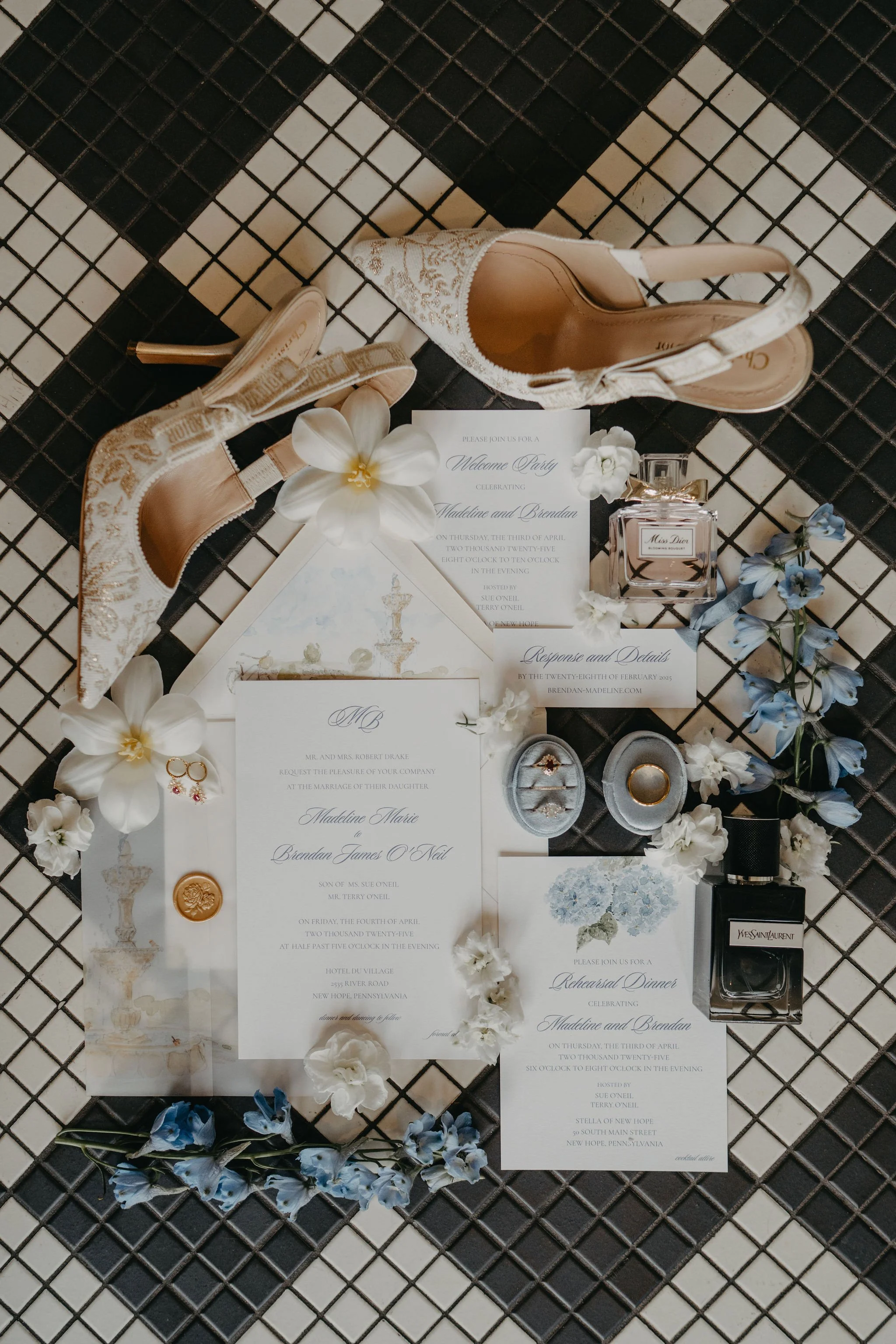
Photo by Hillside Photo
1. Talk About What You Each Want (Before Anything Else)
Before you start touring venues or building spreadsheets, sit down together — phones out of reach, no distractions, no going down impromptu rabbit holes — and talk about what you each want from this wedding. I know that sounds obvious, but you’d be surprised how many couples jump straight into planning without realizing they’re picturing totally different things from their partner.
Maybe one of you is imagining a black-tie dinner for 200, and the other’s dreaming of a cozy weekend with 50 of your favorite humans. Or maybe one person’s all about live music and late-night snacks, while the other’s prioritizing heartfelt moments and a killer photographer. None of it’s wrong, it’s just different.
What matters is that you get those thoughts out early. Because if you don’t, you’ll end up making decisions from completely different chapters in the same book — and that’s when planning starts feeling confusing (and a little tense).
Use this time to talk about things like:
• What kind of experience do we want for ourselves and our guests?
• What parts of the day feel most important?
• What are our non-negotiables, and where can we stay flexible?
You don’t need to agree on everything right now. The goal is to understand what’s meaningful to each of you so the rest of your planning actually supports both visions.
Once you’ve done that, then it’s time to start looking at numbers and logistics. But this conversation? It’s your foundation.
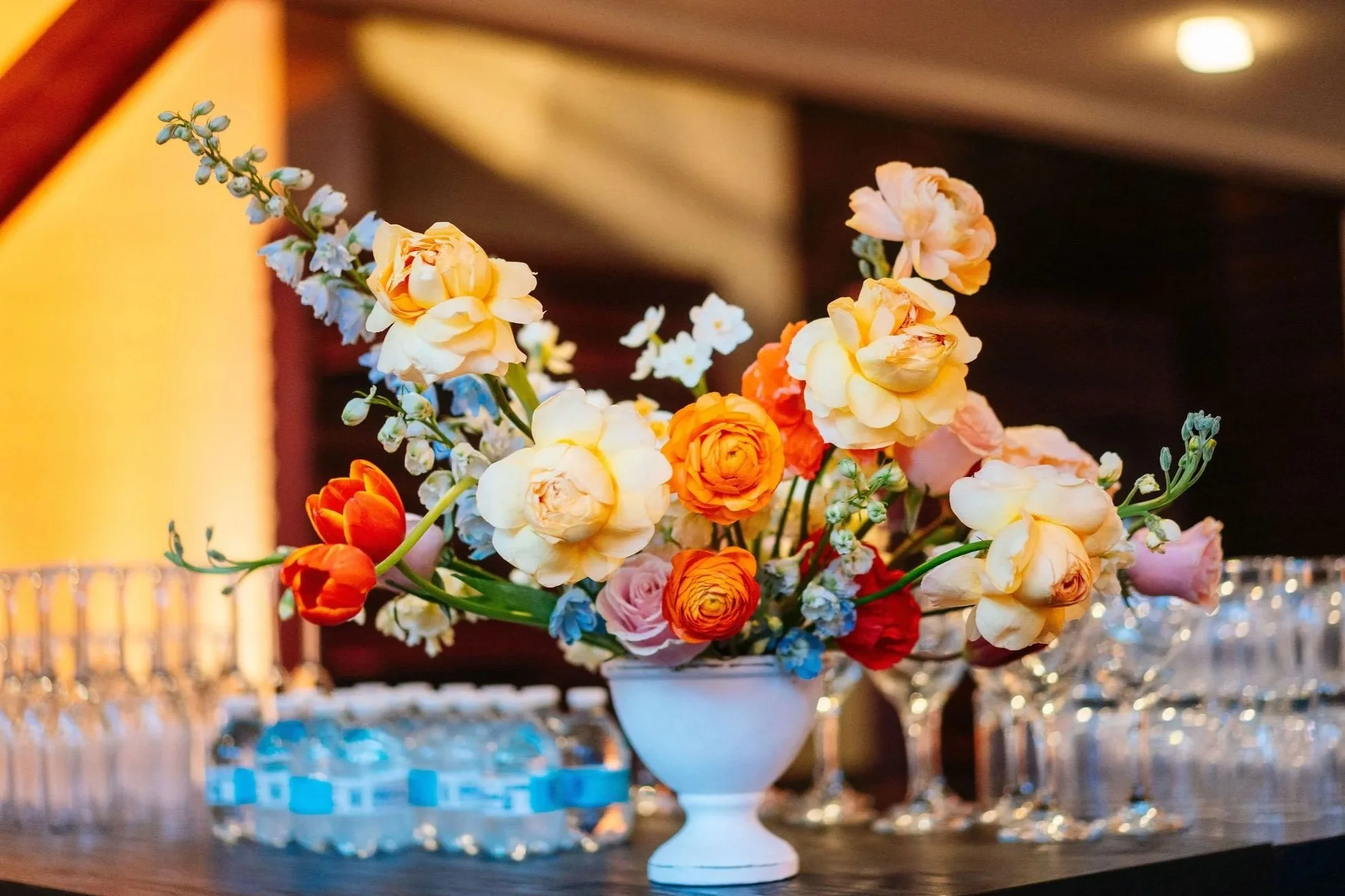
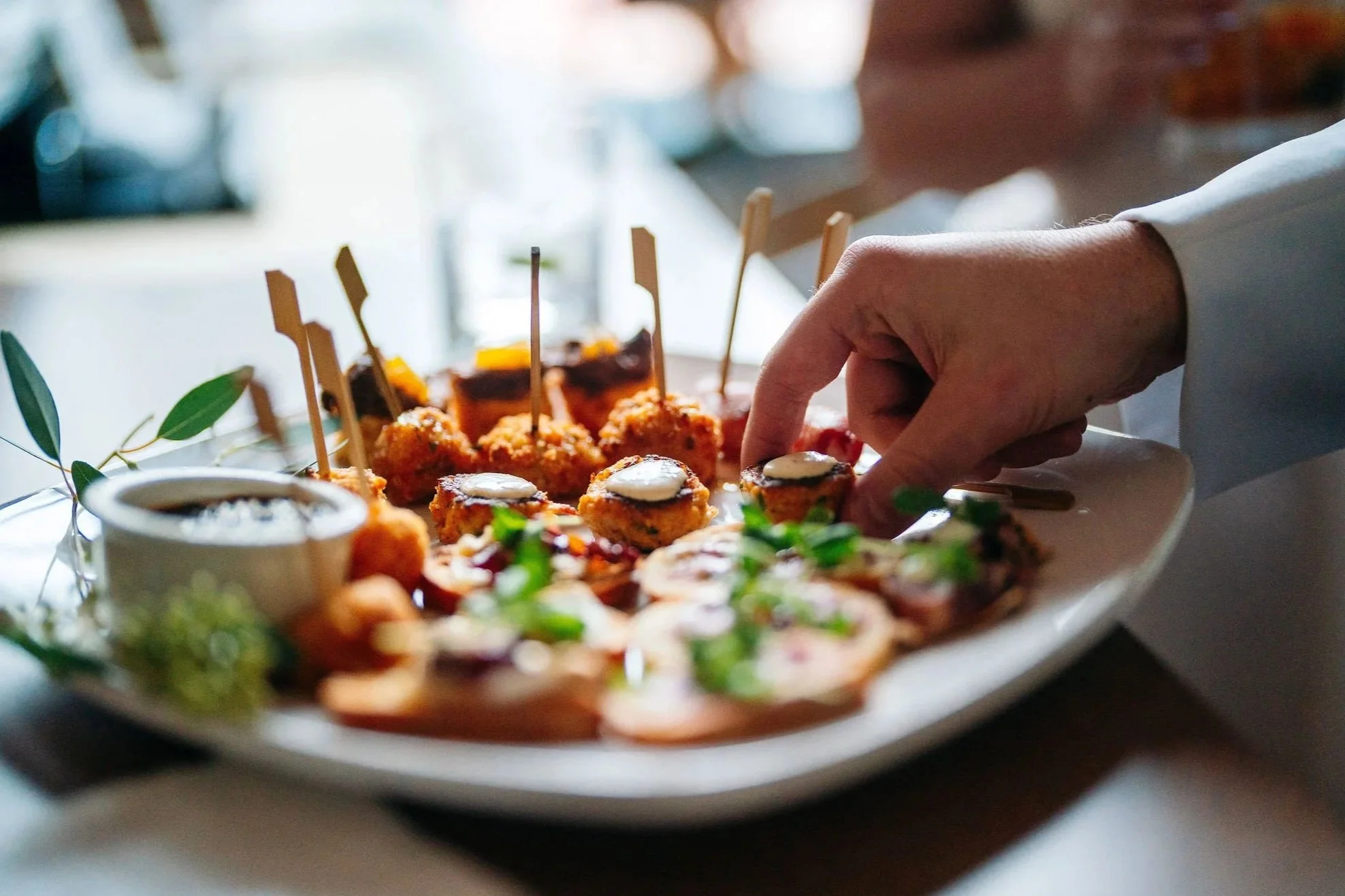
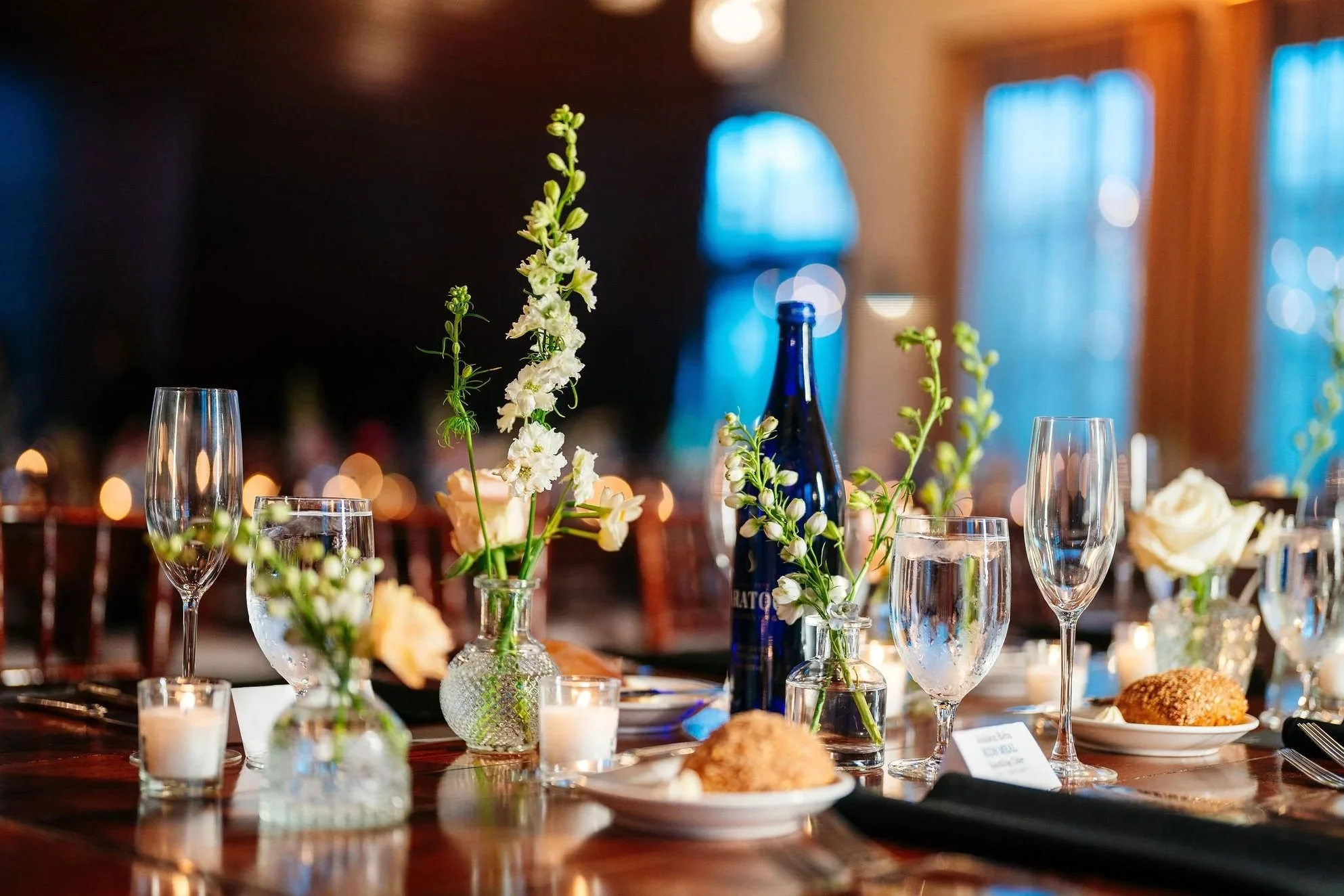
Photos by Hoffer Photography
2. Understand What Weddings Really Cost Right Now
Let’s talk about the part no one wants to talk about: money.
You’ve probably seen the “average cost of a wedding” floating around online — The Knot’s latest report says somewhere around $36,000.
That’s… cute. 😒
But if you’re planning a wedding in or around Philadelphia (or honestly, most parts of the Northeast), you should know that number is far from reality.
Depending on your guest list, venue, and overall vibe, that total can easily double — or even triple.
And that’s not because anyone’s trying to upsell you or because your wedding is a wedding, not just a party. It’s simply that the cost of everything has gone up — food, rentals, florals, staff, you name it. Weddings are a reflection of the real world, and right now, the real world is expensive.
That doesn’t mean you shouldn’t have the celebration you want. It just means it’s worth doing a little homework before you start making commitments. A quick consultation with a wedding planner (even if you’re not hiring one for full-service planning) can help you understand what things really cost in your specific area and what you might be signing up for when you fall in love with that dream venue.
Because here’s the thing: once you commit to a venue, a lot of your other decisions are already made for you. The venue often dictates catering costs, staffing, rentals, and sometimes even your vendor options.
So before you sign anything, get curious. Ask questions. Look up catering minimums, service fees, and what’s actually included in those packages. The goal isn’t to spend the least — it’s to spend intentionally, based on your priorities and comfort level. That’s what smart planning looks like.
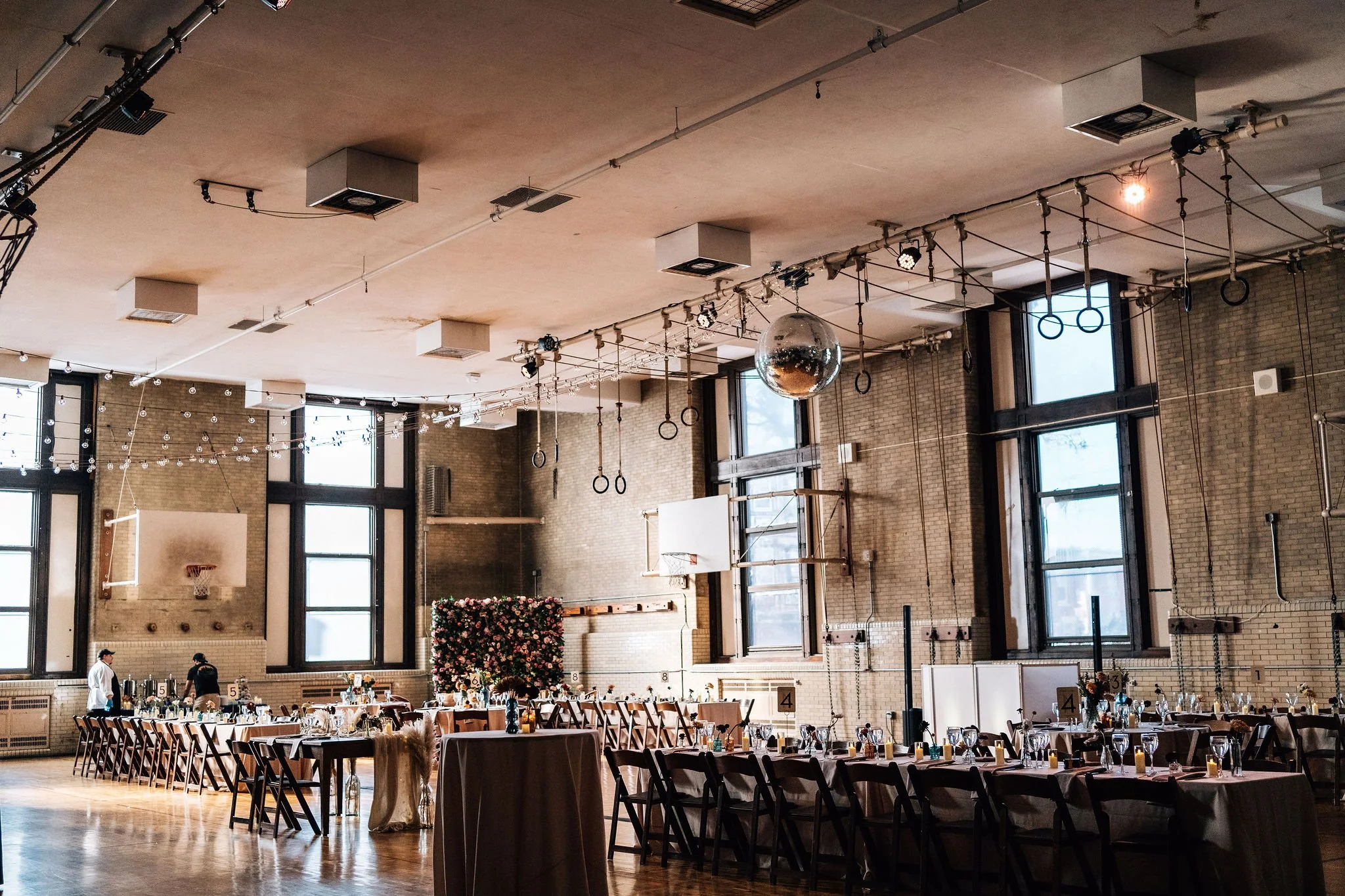
Photo by Sonderbird
3. Consider Timing (Without Letting It Control You)
If you got engaged over the holidays, you’re in excellent company. November through early January is prime engagement season — which also means you’ve just joined a very large, very excited class of newly engaged couples who are all about to start emailing venues and vendors at the same time.
That doesn’t mean you need to panic-book the first place that emails you back.
Unless you’re tied to a specific date for sentimental or religious reasons, there’s zero harm in taking a little time to get your bearings before signing on any dotted lines. The pressure to move fast is real, but the truth is: rushed decisions are the ones that usually sting later.
When it comes to timing, a few things are good to know early:
• Fall in Pennsylvania is hot real estate. September and October weekends go fast — like, Taylor Swift presale fast — especially at popular venues.
• Spring weddings can be beautiful here, but weather is slightly less predictable. It can easily range from 30s to 80s.
• Winter weddings can offer more flexibility and sometimes better rates, but be mindful of holiday travel and shorter daylight hours.
So rather than focusing on a specific date right now, focus on what season or overall vibe feels right. Do you picture warm twinkle lights and long summer evenings, or crisp fall air and cozy candlelight? Once you know that, you can start exploring venues that align with it.
The bottom line: dates are important, but they’re not the whole story. A thoughtful decision a few weeks from now will always serve you better than a rushed one today.
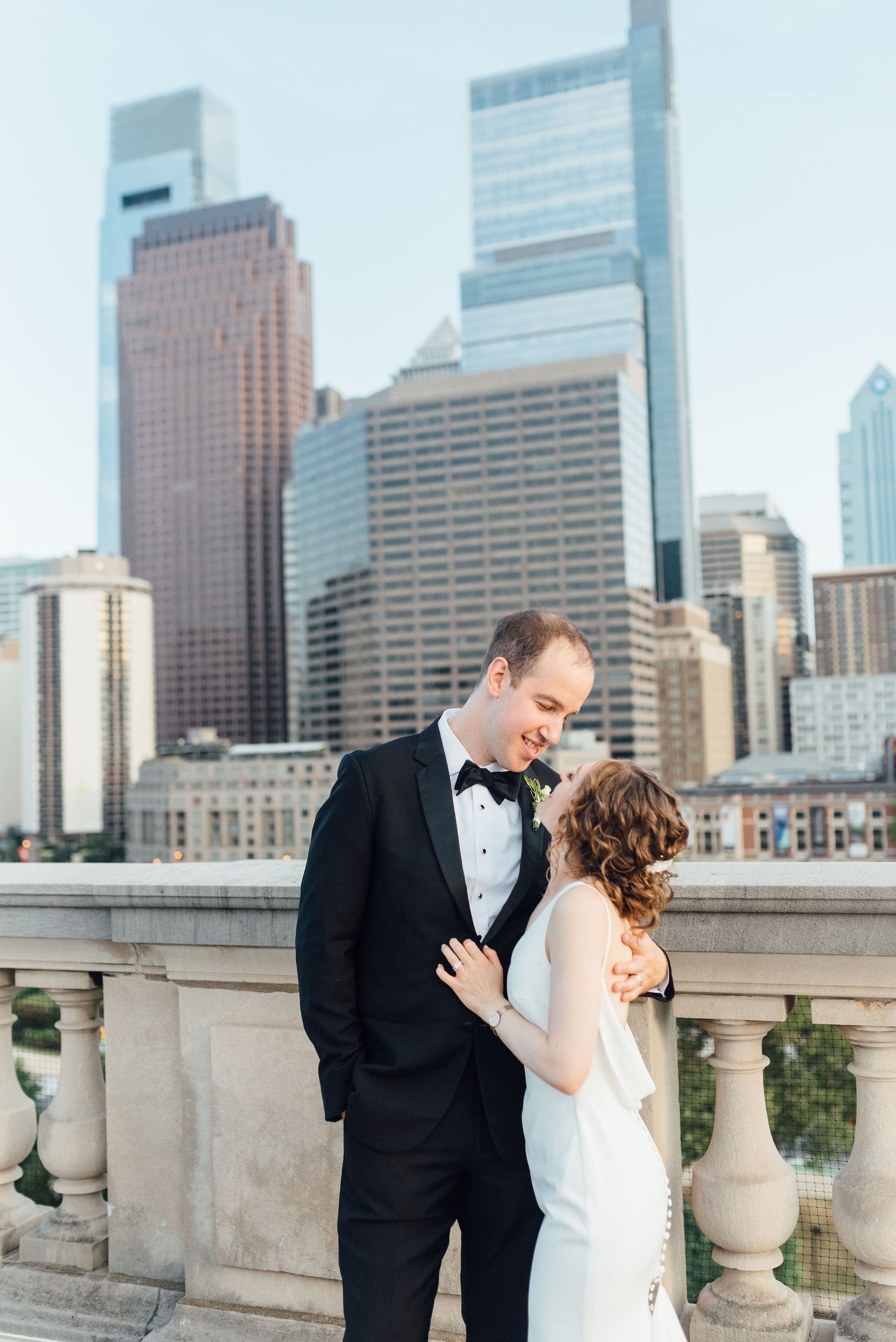
Photo by Alison Dunn
4. Build the Basics: Guest List + Priorities
Your guest list and your priorities are the backbone of everything else. Before you dive too far into design boards or vendor searches, spend some time getting clear on these two pieces.
Let’s start with the guest list.
You don’t need a finalized spreadsheet yet — just a rough sketch. Think about households, families, and friend groups instead of individual names for now. The goal is to get a realistic sense of size, not stress over whether your old college roommate makes the cut.
Why this matters: your guest count drives nearly every major cost and logistical decision. Catering, rentals, bar setup, invitations, favors, even the number of bathrooms you’ll need (yes, really). A wedding for 80 and a wedding for 180 are completely different beasts, and it’s better to know which one you’re planning before you start shopping for venues.
Once you have that rough number, move to priorities. This is where the earlier “what do we each want?” conversation starts paying off. Together, make a short list of what feels most important to you both. Maybe it’s great food, an epic dance floor, personal vows, or photos you’ll still love in 20 years. There’s no wrong answer — just your answer.
Then, flip the perspective: what’s less important? Maybe you couldn’t care less about elaborate favors or towering centerpieces. Knowing that helps you make intentional choices later, instead of defaulting to “what everyone does.”
These two early steps might not feel glamorous, but they’re gold. They’ll save you from spiraling down Pinterest rabbit holes or wasting time touring venues that don’t fit your vibe or budget.
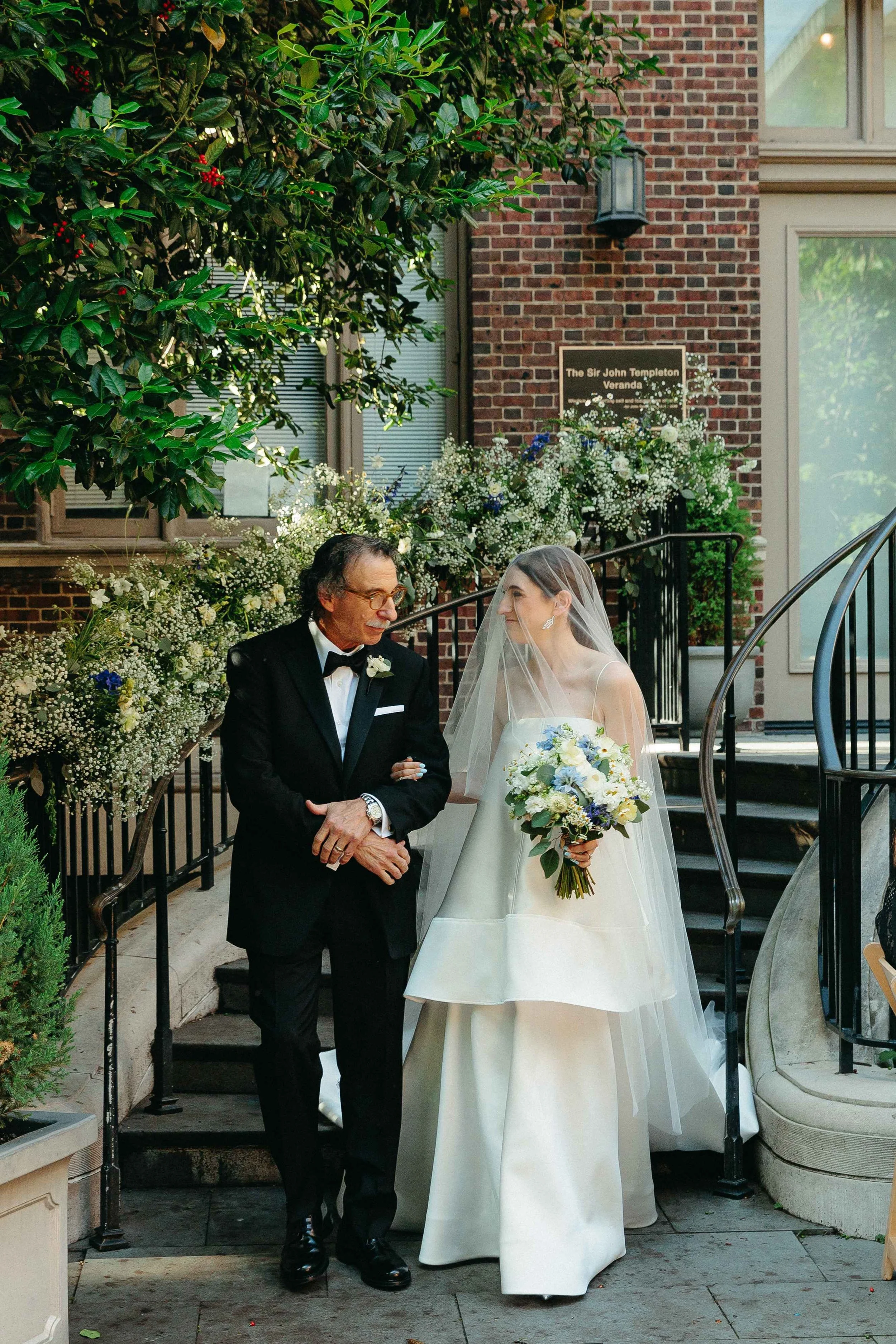
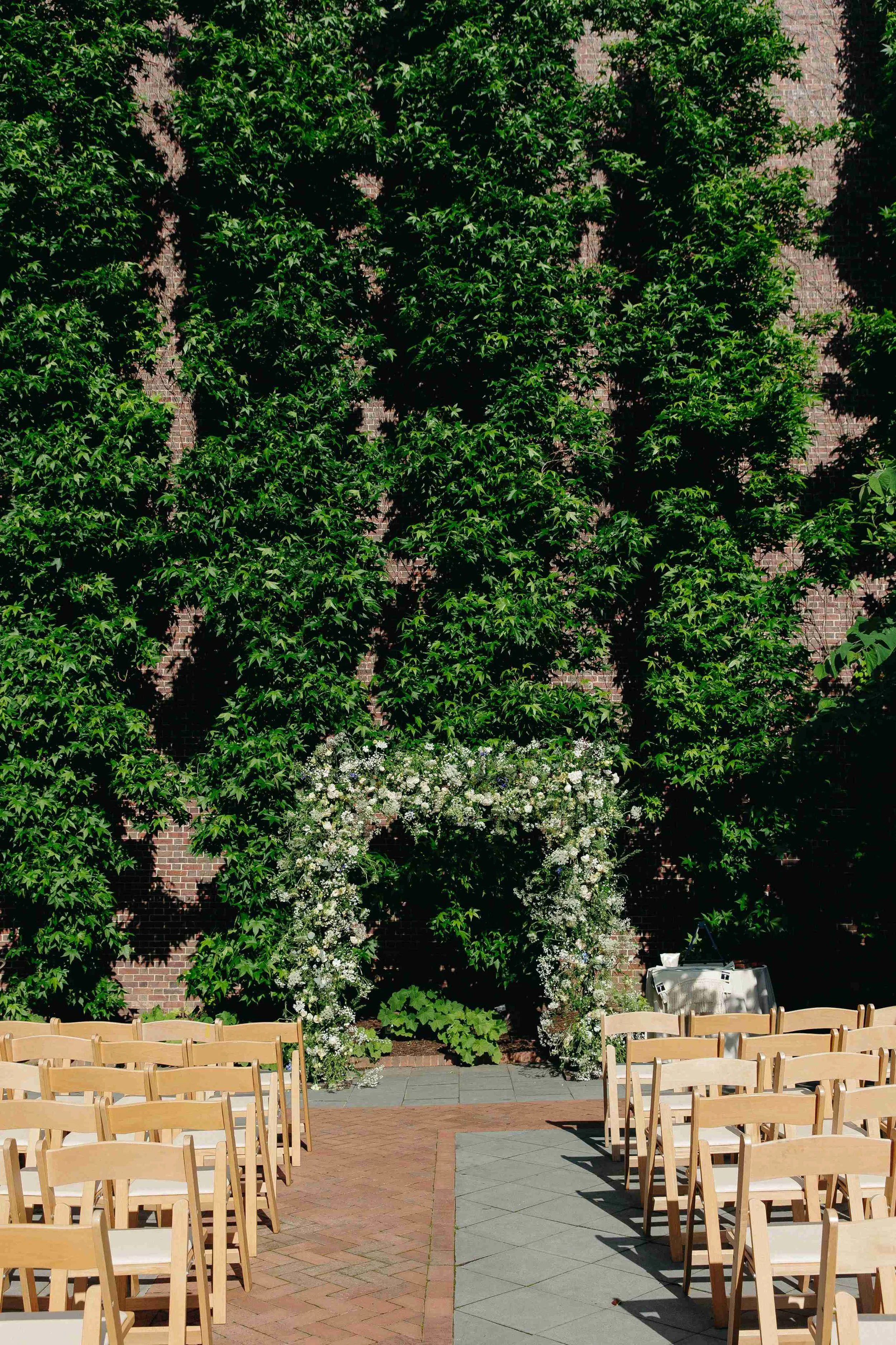
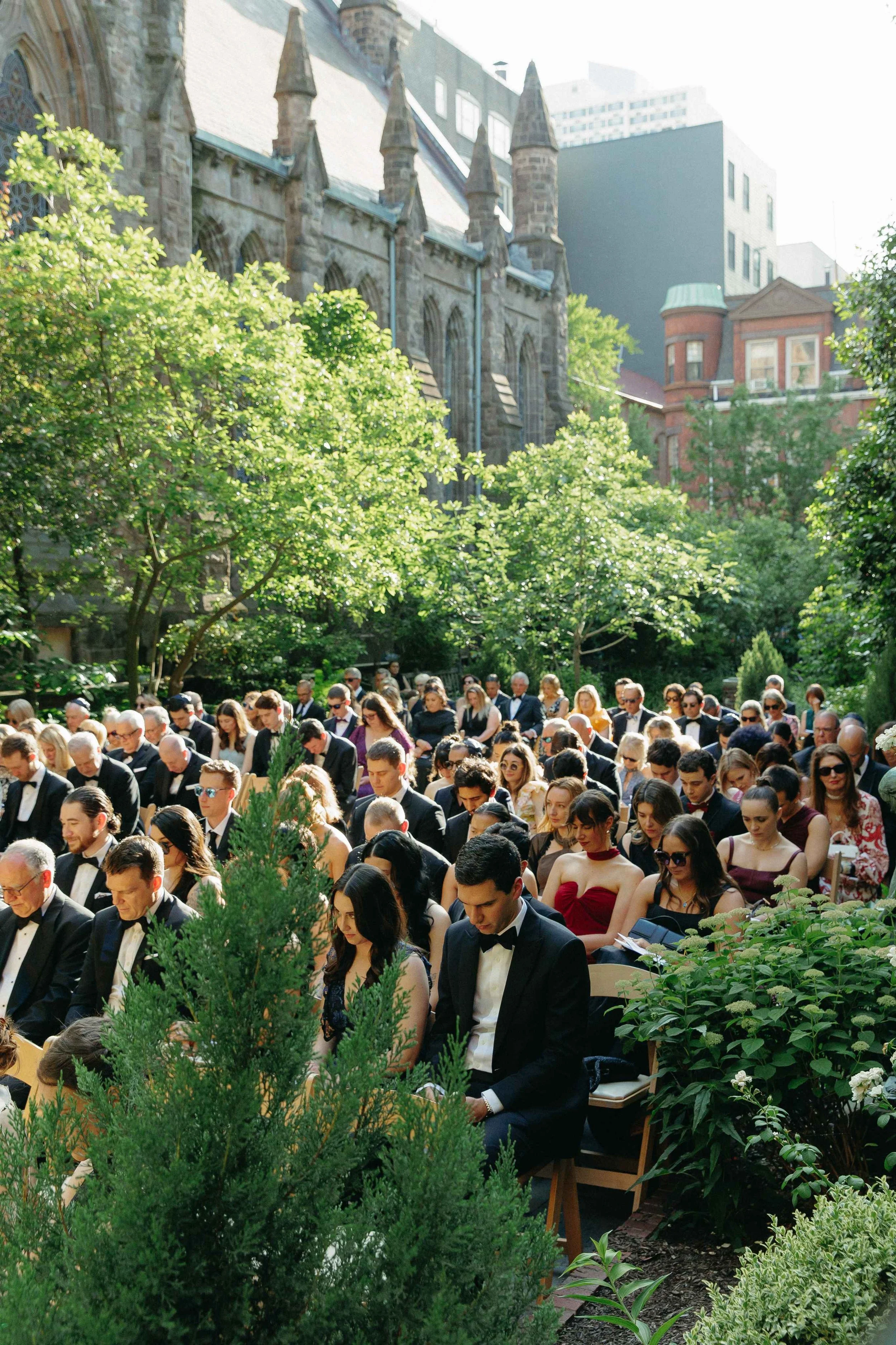
Photo by Jason Moody Photography
5. Research, Don’t Rush
Once you’ve talked through what you both want, looked at your numbers, and have a rough idea of timing and guest count, you can finally start researching venues. This is where things start to feel real — but it’s also where couples tend to get swept up by pretty photos and quick decisions.
Before you fall in love with the one that has ivy-covered walls and string lights, take your time to really understand what each venue includes (and what it doesn’t). Some have required catering minimums, preferred vendor lists, or strict curfews. Others need you to bring in every table, chair, and fork yourself. None of these are necessarily bad, but they all affect your overall budget and experience.
When you’re touring, try to imagine how your priorities fit in that space. Would the rain plan feel cozy or like a total backup? Does “fits up to 200 guests” actually feel comfortable for your 150-person guest list? How does the layout affect your flow for cocktails, dinner, and dancing?
Your venue choice sets the tone — and often the price point — for nearly every other decision that follows. A few extra days or weeks spent researching and comparing options is time well spent.
(And… if you need help to talk through it all, a consult with a planner can be one of the BEST investments to make at this stage).
If there’s one takeaway from all of this, it’s that your first few weeks of being engaged doesn’t have to be about booking or buying anything. It’s about clarity.
Spend this time getting on the same page, learning what things actually cost, and understanding what feels right for you as a couple. The checklists and color palettes will come later (promise) but this part sets the tone for everything that follows.
The couples who slow down now usually end up enjoying the process more. They make decisions that feel confident instead of reactionary, and their wedding days reflect them instead of a mashup of outdated Pinterest trends and rushed choices.
So take a deep breath.
You don’t need to have it all figured out.
You just need to start from the same page.
The rest will fall into place, one thoughtful choice at a time.