Before we begin
If you've never planned a wedding ceremony before, you're suddenly expected to make a surprising number of decisions, often without understanding why people choose one option over another.
This series isn't about telling you the "right" way to do things. It's about giving you the context behind each decision so you can create a ceremony that feels intentional, practical, and reflective of the two of you.
These articles are written for couples planning a non-denominational ceremony with a friend, family member, celebrant, or other independent officiant. If you're getting married in a church, synagogue, mosque, temple, or another house of worship, many of these decisions may already be guided by your officiant or faith tradition. That's completely normal. Think of this series as a guide for the decisions that are yours to make.
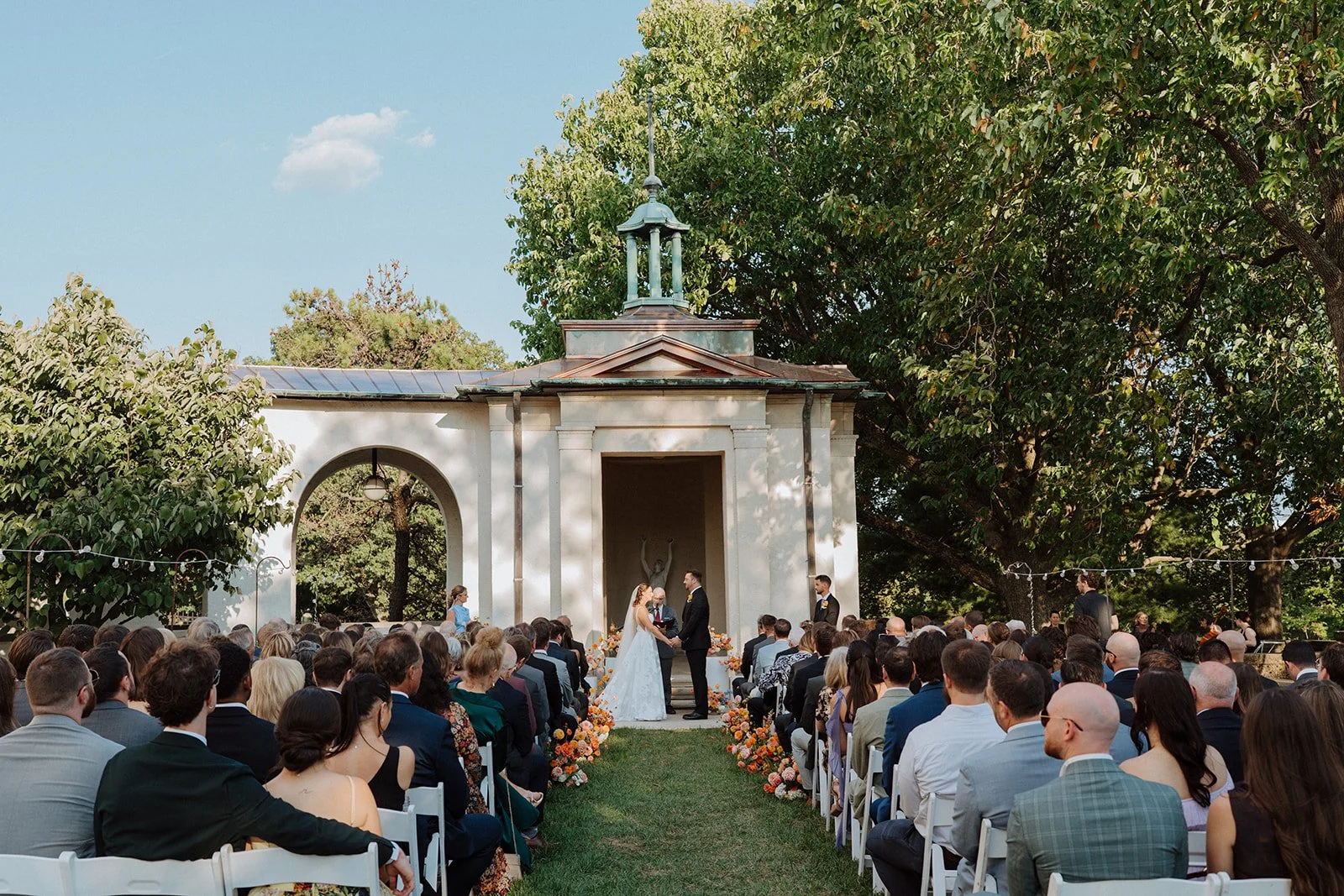
Let's start with one of the biggest ceremony questions:
Who Stands Where?
It's also one of the easiest to overcomplicate.
The internet is full of diagrams, traditions, and opinions that can make it seem like there's one "correct" answer. In reality, there usually isn't.
Some ceremony decisions are rooted in religious or cultural traditions. Others are based on logistics or guest experience. And plenty simply come down to personal preference.
My goal isn't to convince you to follow tradition or throw it out the window. It's to help you understand why different options exist so you can decide what feels right for your ceremony.
Let's start with where everyone will stand (or sit).
Couple Placement
The short answer: Unless you're following a specific religious or cultural tradition, there isn't a universally "correct" side for each partner to stand.
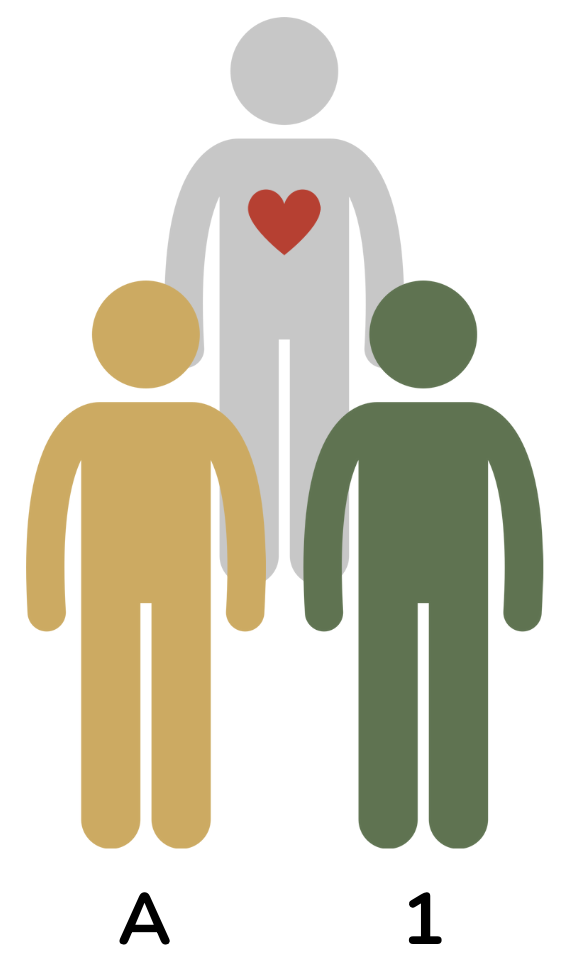
In many Western ceremonies, it's traditional for the bride to stand on the left (A) and the groom on the right (1) when facing the officiant. In Jewish ceremonies, that arrangement is typically reversed. Many churches and houses of worship also have established customs that they'll guide you through.
If you're planning a non-denominational ceremony, though, you have much more flexibility.
Rather than asking, "Which side are we supposed to stand on?" I'd encourage you to ask a different question:
"Which arrangement makes the most sense for us?"
For some couples, that's the side they've always imagined standing on. For others, it comes down to logistics, family dynamics, or even which direction feels more natural when they turn to face one another.
From a Practical Perspective
If you're deciding between two perfectly good options, here are a few practical things to think about:
Your preferred side. If one (or both) of you has a "good side" you naturally prefer in photos, or you're planning a hairstyle or accessory that you'd like your guests to see, that may help make the decision.
The sun. If your ceremony is outdoors, think about where the sun will be at that time of day. If one of you is particularly sensitive to bright light, having the sun behind you rather than in your eyes can make a big difference in your comfort throughout the ceremony.
The ceremony space itself. If you're getting married outdoors, pay attention to the ground beneath your feet. A slight hill or uneven lawn can make one partner appear noticeably taller or shorter than the other, depending on where each of you is standing.
What feels natural. Sometimes, after considering everything else, one arrangement simply feels right. That's a perfectly valid reason to choose it.
None of these factors is more "correct" than another. They're simply practical considerations that can help you choose between two equally good options.
Wedding Party Placement
The short answer: Most wedding party members stand beside the couple throughout the ceremony, with each person's closest attendant standing nearest to them.
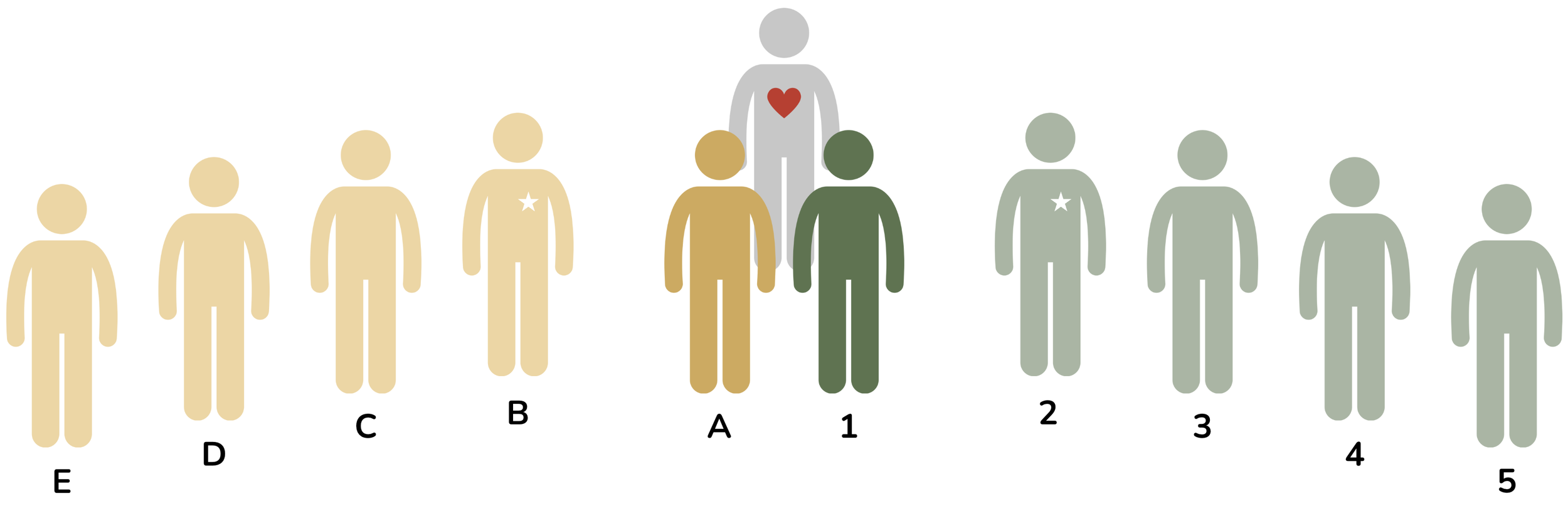
Once you've decided where the two of you will stand, the next question is usually where everyone else goes.
Traditionally, wedding party members stand beside the couple throughout the ceremony. The person standing closest to each partner is typically their honorary attendant, whether that's a Maid or Matron of Honor, Best Man, Best Person, Person of Honor, or another meaningful role. From there, the remaining attendants usually stand in the order of their relationship or importance to each partner. (Or sometimes, it’s alphabetical or by height order so things don’t get political)
If your wedding party includes mixed genders, uneven numbers, or non-traditional roles, don't overthink it. There isn't a universally "correct" arrangement. Choose the lineup that feels the most meaningful to the two of you.
From a Practical Perspective
As you're deciding who will stand beside you (and for how long), here are a few things to consider:
Not everyone has to stand. If someone has mobility concerns, balance issues, chronic pain, or simply isn't comfortable standing for the length of your ceremony, consider having them seated in the front row instead.
Children often sit after the processional. If your flower girl, ring bearer, or other young attendants are under about 10 years old, it's very common to have them sit with a parent or trusted family member after walking down the aisle. What feels adorable for two minutes can feel like an eternity to a four-year-old.
You don't need a wedding party at all. Whether you have ten attendants, two attendants, or none, your ceremony is no more or less meaningful. Choose the wedding party that feels right for you, not the one you think you're expected to have.
One final note: if you have an uneven number of attendants, don't overthink it. Someone can absolutely walk down the aisle alone, or you can pair attendants however makes the most sense. Your guests won't be counting.
Reserved Seating for Family & VIPs
The short answer: Reserve seating for those actively participating in your ceremony or processional, and keep it as simple as possible.
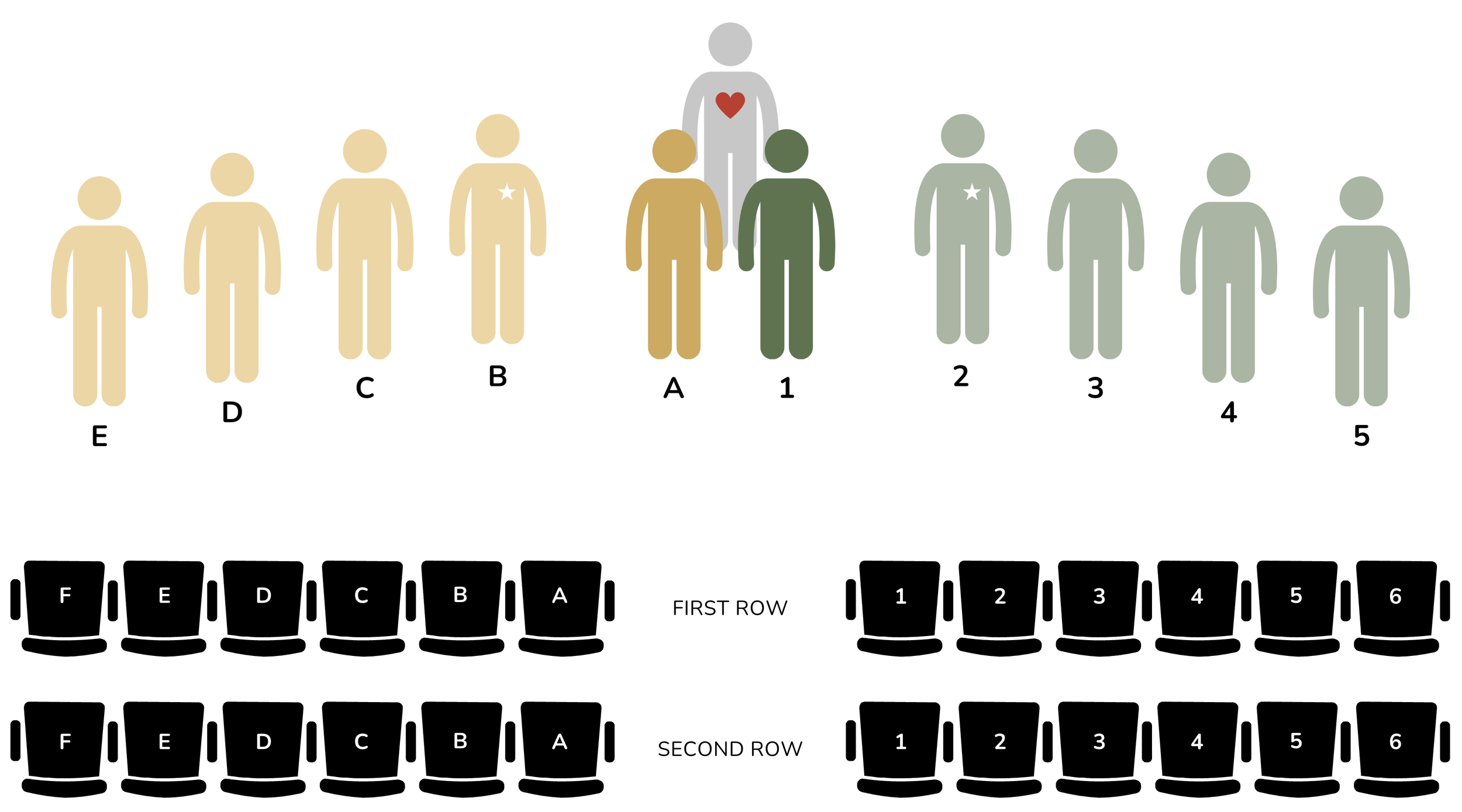
Deciding who sits in the first row can feel surprisingly complicated, especially when you're trying to make everyone feel included.
The good news? Most couples don't need to reserve nearly as many seats as they think they do.
Most couples choose to reserve the first row for immediate family members and others who are directly involved in the ceremony. That might include parents, grandparents, step-parents, processional escorts, children in the wedding party (if they'll be seated during the ceremony), and the parents of those children.
Beyond that, I'd encourage you to pause before reserving additional rows.
FOCUS ON THE GUEST EXPERIENCE
When too many seats are reserved, guests often become unsure where they're allowed to sit. Rather than risk taking someone's seat, they'll naturally move farther back, which can unintentionally leave empty rows right at the front of your ceremony.
Instead, reserve only the seats you truly need and allow everyone else to fill in naturally. It creates a fuller-looking ceremony, makes it easier for guests to find seats, and avoids unnecessary confusion.
From a Practical Perspective
Find out how many seats you'll have in each front row before assigning them. Every ceremony setup is different. Some front rows have four seats, while others may have eight or more. Before deciding who sits where, ask your venue (or planner) how many seats you'll actually have to work with. It'll save you from having to reshuffle everyone later.
Grandparents don't have to walk in the processional. Many couples choose to have grandparents seated before the ceremony begins so they can get comfortably settled without feeling rushed.
Think about family dynamics. Divorced parents, remarried parents, and blended families don't have to fit into a "traditional" seating arrangement. Reserve seats based on your relationships, not on what someone else's ceremony looked like.
Communicate your plan. If you're reserving seats for specific people, make sure they know ahead of time. It helps avoid awkward moments where someone unknowingly sits in the wrong place or isn't sure where they're supposed to go.
Which Side Should Family Sit On?
The short answer: Most couples choose one of two seating arrangements: Traditional Placement or Opposite Placement. Neither is more "correct" than the other. They simply create different experiences for your loved ones.
Once you've decided who will be sitting in the reserved rows, the next question is where they'll actually sit.
If you're planning a religious ceremony, your officiant or place of worship may already have expectations for where family members should be seated. If you're planning a non-denominational ceremony, though, you have a little more flexibility.
Option 1: Traditional Placement
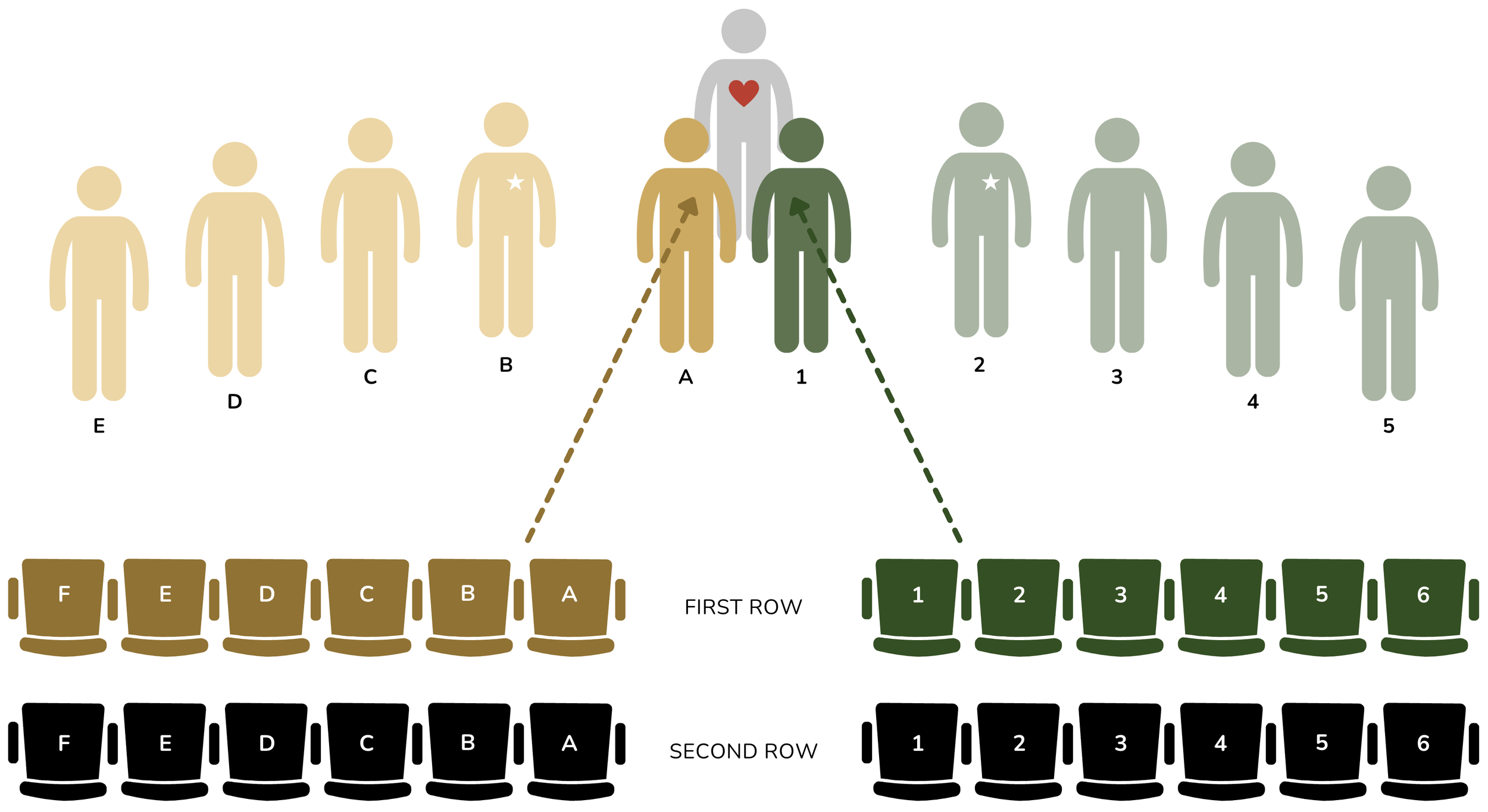
In a traditional seating arrangement, each partner's family sits behind them during the ceremony.
This is the layout most people picture when they think of a wedding ceremony, and it's still a very common choice for both religious and non-denominational weddings.
Parents and grandparents of older generations may expect this placement.
Option 2: Opposite Placement
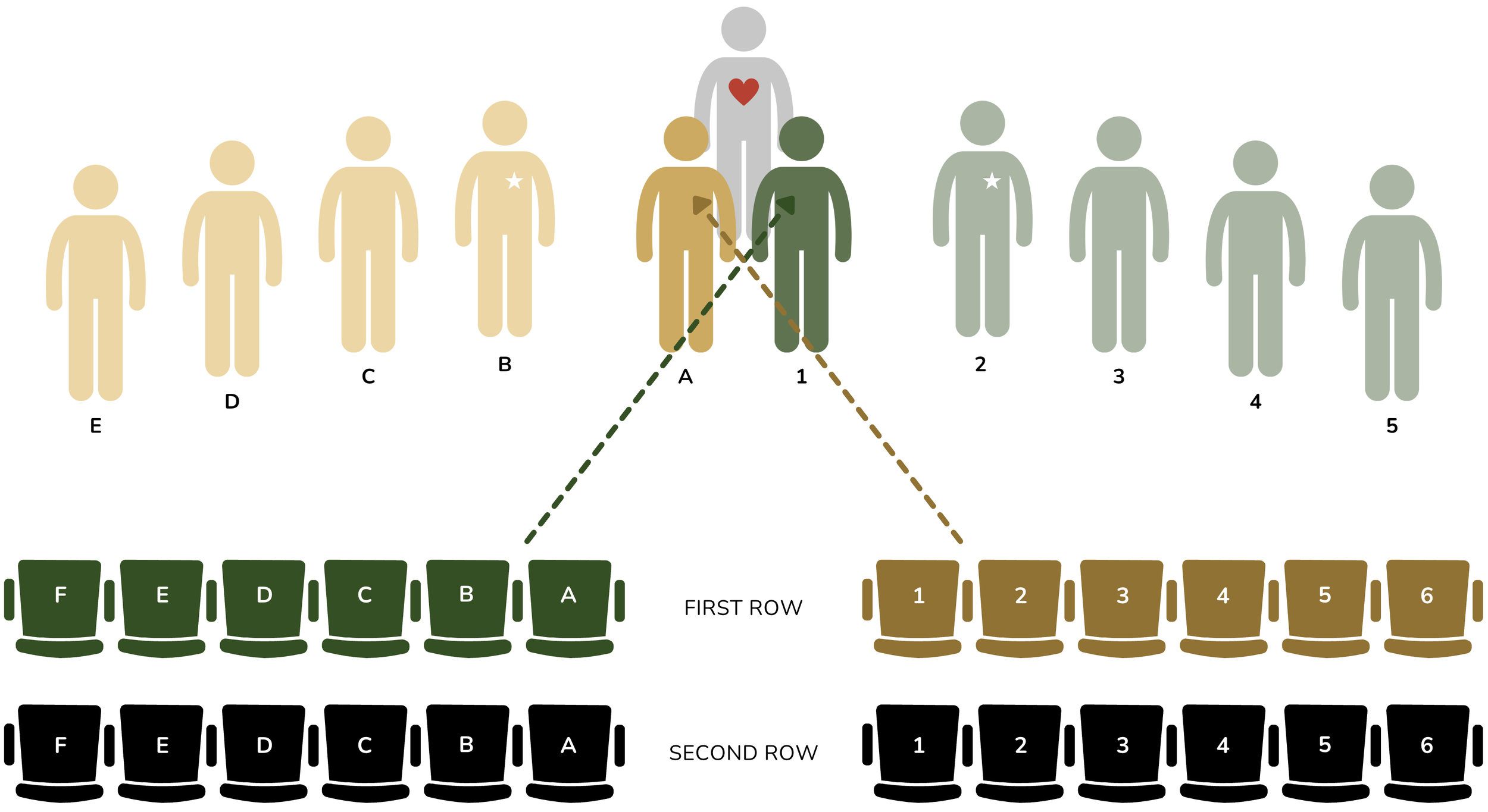
With opposite placement, each partner's family sits on the opposite side of the aisle.
Many couples choose this arrangement because it allows their parents, grandparents, and other loved ones to see their faces throughout the ceremony rather than the backs of their heads. It's a small change that can make the ceremony feel more personal for the people sitting closest to you.
A quick explanation often eases any concerns with this placement.
From a Practical Perspective
As you're deciding which arrangement feels right for your ceremony, here are a few things to consider:
Neither option is more "correct." Traditional placement is rooted in history, while opposite placement has become increasingly popular for non-denominational ceremonies. Both are wonderful choices.
Don't worry about perfect symmetry. If one side has more immediate family members than the other, that's completely okay. There's no need to reserve the exact same number of seats on each side just to make the layout look balanced.
Family doesn't always fit neatly into two sides. Blended families, chosen family, close friends, and other important people may not fit a "Partner A's side" or "Partner 1's side" label. Seat people where they'll feel the most comfortable and supported.
You don't have to follow the diagram exactly. These layouts are meant to help you visualize your options, not limit them. Feel free to adjust them in whatever way best reflects your relationships.
At the end of the day, your guests aren't keeping score. They're there because they love and support the two of you.
Common Questions
-
That's completely okay. These diagrams are meant to help you visualize common approaches, not limit your options. If your family dynamic calls for a different arrangement, create one that feels right for the two of you.
-
Not at all. While it's common to seat family together, there's no rule that says everyone has to stay on one side of the aisle. If someone would feel more comfortable sitting elsewhere, that's perfectly okay.
-
Start with relationships, not labels. The goal isn't to create a seating chart that looks traditional. It's to create one where everyone feels comfortable and supported. If that means mixing family members or breaking tradition, that's completely okay.
-
That's incredibly common. Don't worry about making both sides look perfectly balanced. Your ceremony seating should reflect your relationships, not symmetry.
-
If you're deciding between two thoughtful options, there's a good chance either one will work beautifully. At that point, stop asking, "What's the right answer?" and start asking, "Which one feels more like us?"
Congratulations! You've just made some of the biggest ceremony placement decisions you'll face.
Now that you've decided where everyone will stand and sit, it's time to plan how they'll get there.
In Part 2, we'll walk through the processional and recessional from start to finish, including common entrance orders, pairing options, music, and a few logistics that'll help everything feel smooth from the very first step down the aisle.